
Whether you’re just starting out, building your distance or chasing a new personal best, what you eat after a run can play an important part in how you recover.
Running uses energy, places stress on your muscles and causes you to lose fluid through sweat. Giving your body the right fuel afterwards helps you recover, feel ready for your next session and keep building consistency.
Why is post-run nutrition important?
After a run, your body needs to replenish energy stores, repair working muscles and replace fluids.
A balanced post-run meal or snack can help you:
- Refuel: Replace carbohydrates used during exercise.
- Recover: Provide protein to support muscle repair.
- Rehydrate: Replace fluids lost through sweat.
- Get ready for next time: Support recovery between training sessions.
You don’t need an expensive recovery shake or complicated meal plan. Often, ordinary foods can do the job.
Carbs or protein — what matters most?
Both.
Carbohydrates help replenish your body's energy stores, while protein provides the building blocks needed for muscle repair.
Combining the two after a run is a simple way to support recovery. The amount you need will depend on how far you’ve run, how hard you’ve worked and what your overall training looks like.
For a shorter, easy run, a normal balanced meal may be all you need. After a longer or harder session, you may benefit from a more substantial snack or meal.
When should you eat after a run?
There’s no need to panic if you can’t eat the moment you finish.
Having something to eat within a couple of hours is a useful general approach, particularly after a demanding session. If you’re running again later that day or early the next morning, paying attention to refuelling becomes more important.
And don’t forget water. Replacing lost fluids is just as much a part of recovery as what’s on your plate.
What are the best foods to eat after a run?
The good news is that you have plenty of options. Here are some simple foods that can help make up a balanced post-run meal or snack.
Fruit
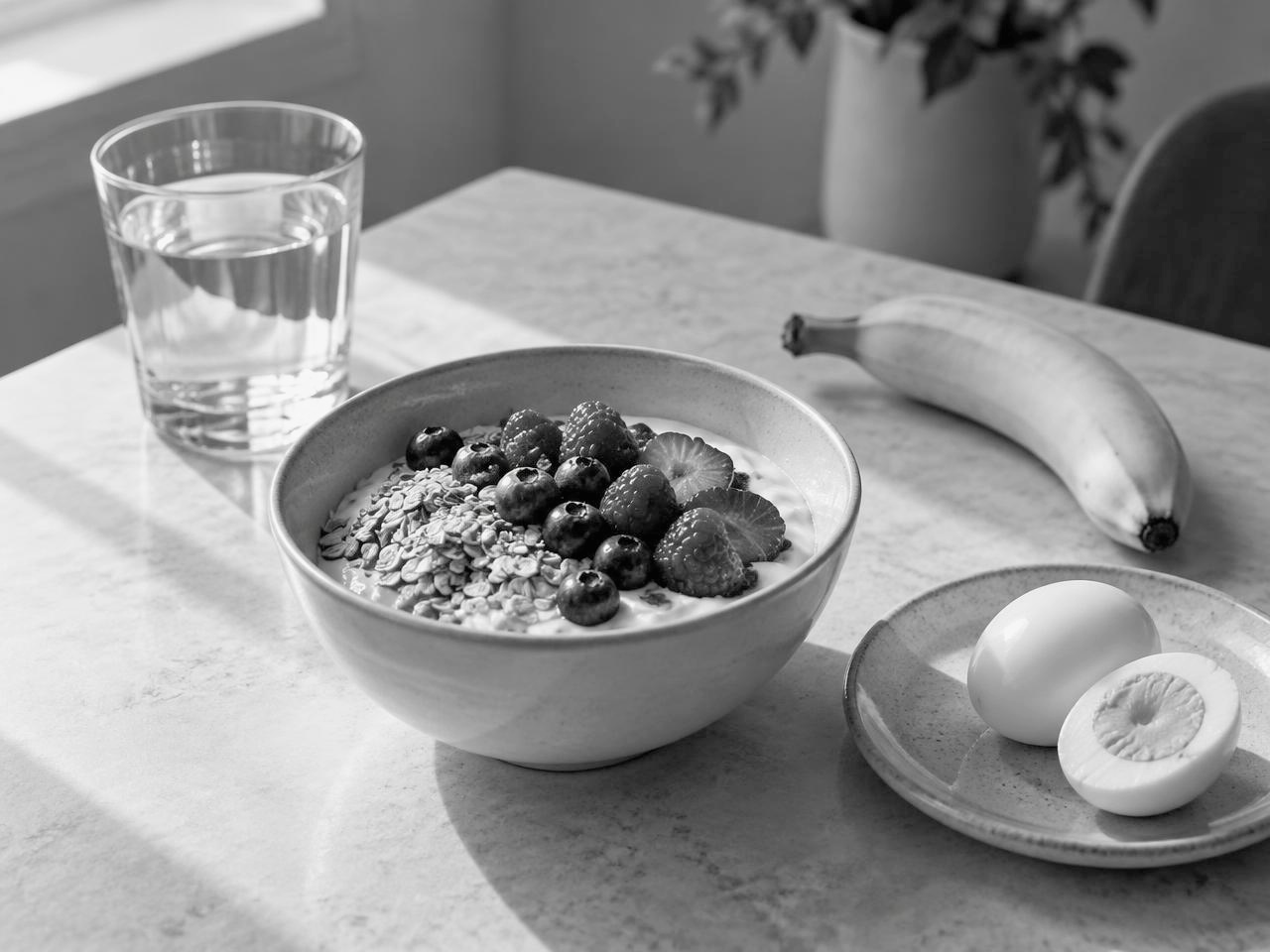
Bananas, berries, pears, kiwi and watermelon are easy options after a run. They provide carbohydrates, fluids and a range of vitamins and minerals.
A banana is particularly convenient when you need something quick after getting back through the door.
Mixed nuts
A handful of mixed nuts provides healthy fats, some protein and useful minerals.
They’re easy to keep in your bag or kitchen cupboard for when you need a quick snack.
Chicken or salmon
Chicken is a source of lean protein, making it a useful option for a post-run meal.
Salmon provides protein alongside omega-3 fatty acids. Serve either with rice, potatoes or vegetables for a balanced meal.
Beans and legumes
Chickpeas, lentils and beans are useful plant-based sources of protein and carbohydrates. They also provide fibre and can be added to salads, soups, wraps or a main meal.
Eggs
Eggs provide protein and a range of nutrients, making them a versatile option after exercise.
Try them on toast, in an omelette or alongside a meal with vegetables.
Greek yoghurt
Greek yoghurt is a convenient source of protein and calcium. Add fruit, oats or a little honey to make a simple recovery snack.
Beetroot
Beetroot contains naturally occurring nitrates and a range of nutrients. It can be included in salads, roasted meals or smoothies as part of a varied diet.
Keep recovery simple
You don’t need to overhaul your diet to become a better runner.
Focus on eating a balanced range of foods, drinking enough water and giving your body time to recover. Consistency matters far more than finding one perfect recovery food.
Whether you’re building towards your first 5K or adding miles to your weekly routine, look after the basics and give yourself the fuel to keep moving.