
Whether you're heading out for a run, hitting the gym or preparing for match day, what you eat plays an important role in how you feel, move and perform.
Food provides the energy your body needs, supports recovery and helps you stay focused throughout the day. But eating well doesn't have to mean complicated meal plans, expensive supplements or cutting out everything you enjoy.
It's about understanding what your body needs and finding a balance that works for you.
What does a balanced diet look like?
There's no single perfect diet that works for everyone.
A balanced approach means eating a variety of foods, including fruit, vegetables, wholegrains, protein sources and healthy fats.
The aim isn't perfection. It's consistency.
Enjoying the foods you love is part of a sustainable approach to eating. The key is making sure your everyday choices provide the nutrients and energy your body needs.
The building blocks of good nutrition
Carbohydrates — your fuel
Carbohydrates are an important source of energy, particularly when you're running, training or playing sport.
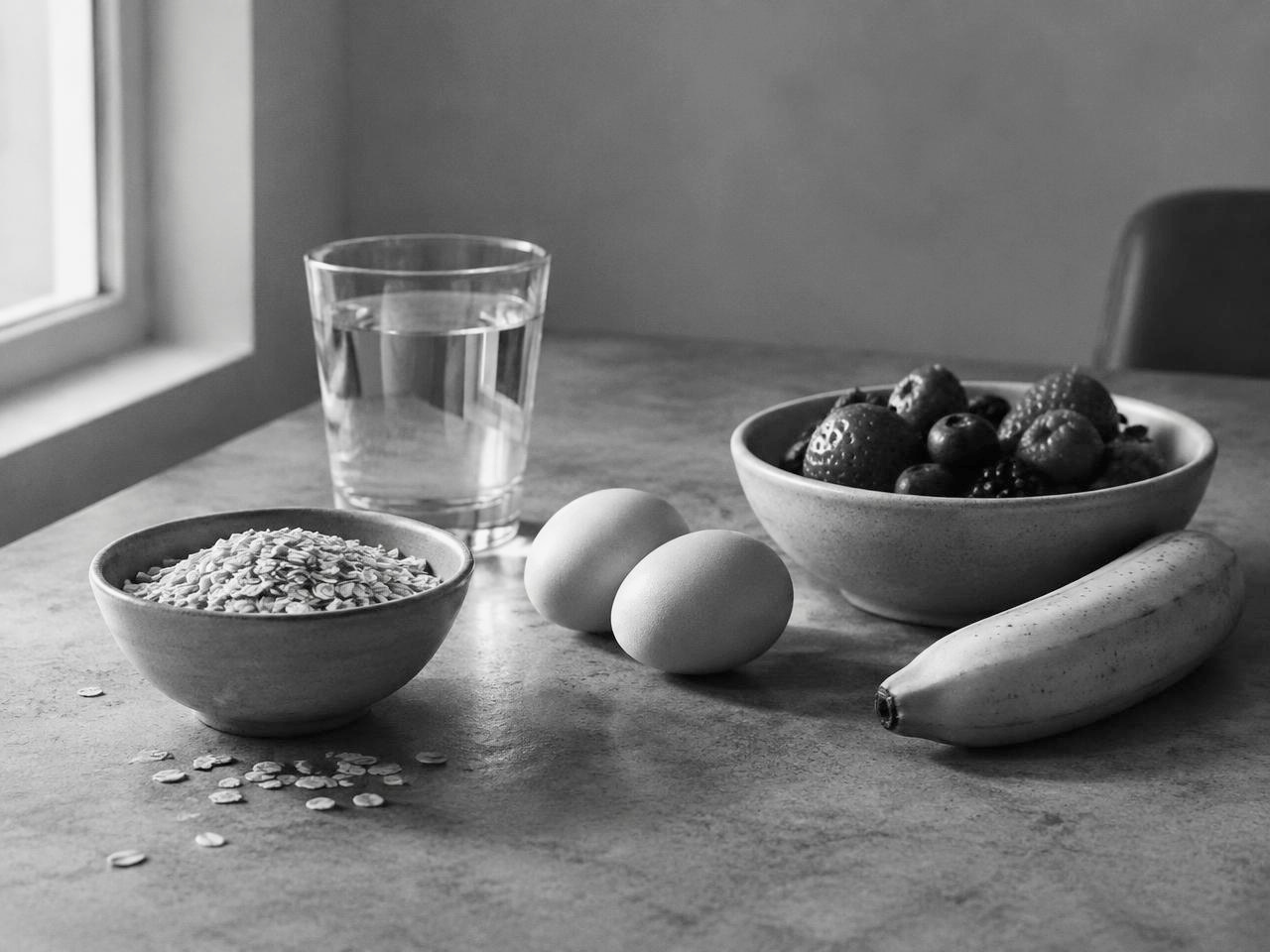
Oats, rice, potatoes, pasta, bread and fruit can all help fuel activity and replenish energy stores.
Protein — your repair kit
Protein supports muscle repair and recovery after exercise.
Eggs, fish, lean meat, dairy, beans, lentils and other plant-based sources can all contribute to your daily protein intake.
Fruit & vegetables — the everyday essentials
Different colours provide different vitamins, minerals and other beneficial nutrients.
Broccoli, spinach, berries, apples, onions and other fruit and vegetables are useful additions to a varied diet.
Healthy fats — don't forget them
Foods such as oily fish, nuts, seeds, olive oil and avocado provide fats that form an important part of a balanced diet.
Oily fish such as salmon also provides omega-3 fatty acids.
Food and fitness: why timing matters
Ever started a workout feeling full, sluggish or completely out of energy?
What and when you eat can influence how comfortable and energised you feel during exercise.
A larger meal may need more time to digest, while a lighter snack may be more suitable closer to training.
Some useful principles:
- Before exerciseChoose foods that provide energy and sit comfortably with your stomach.
- During exerciseFor longer or more demanding sessions, fluid and additional energy may be useful.
- After exerciseInclude carbohydrates to replenish energy and protein to support recovery.
- Throughout the dayEat regularly enough to support your activity and avoid relying on one meal to do everything.
Find what works for you. Everyone is different.
Don't forget your brain
Nutrition isn't just about physical performance.
Eating a varied, balanced diet supports general health, including normal brain function.
Oily fish, wholegrains, fruit, vegetables, nuts and seeds can all contribute to a varied eating pattern.
And just as important as food? Sleep, hydration and giving yourself time to recover.
Small changes. Bigger habits.
It's easy to focus on training plans, running distances and personal bests while overlooking the everyday habits that support them.
You don't need to change everything overnight.
Start with something simple:
- 01Add an extra portion of vegetables to a meal.
- 02Keep a water bottle nearby.
- 03Prepare a meal or snack before a busy training day.
- 04Include a source of protein in your meals.
- 05Give yourself time to eat and recover properly.
Small, consistent habits can make looking after yourself feel much more manageable.
The takeaway
You don't have to eat perfectly to make progress.
Fuel your body, enjoy your food, stay consistent and find a routine that supports the life you lead.
Because performance isn't just about what happens when you train. It's also about what you do when you don't.