
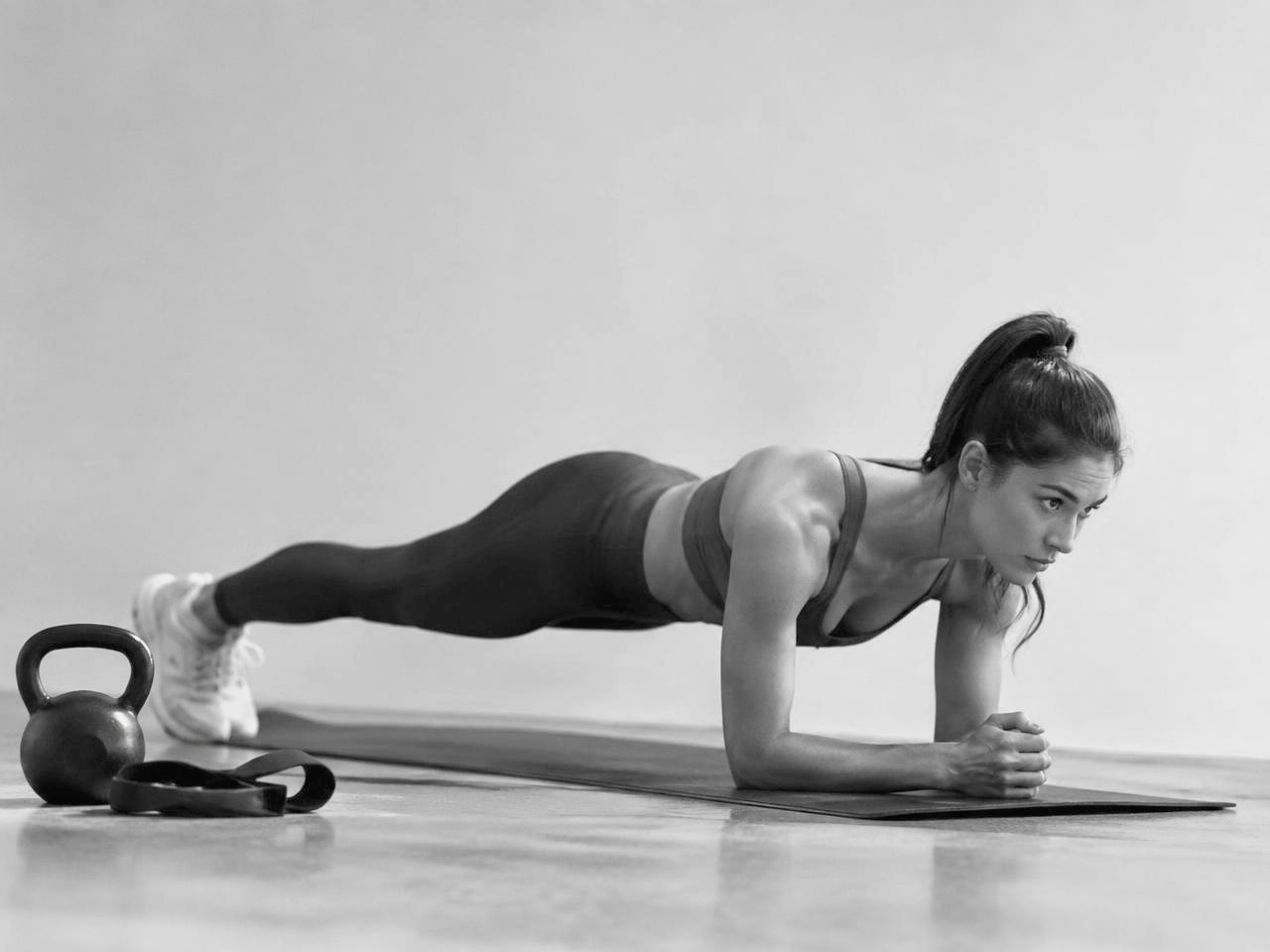
Body conditioning is about building a stronger, fitter and more capable body through a combination of movement, strength, flexibility and cardiovascular exercise.
Whether you're new to training, returning after time away or looking to improve your performance in sport, body conditioning can help you develop the foundations that support everyday movement and physical activity.
It isn't about lifting the heaviest weight or pushing yourself to exhaustion. It's about improving how your body moves, feels and performs.
What Is Body Conditioning?
Body conditioning is a form of training that works multiple areas of physical fitness rather than focusing on one muscle group or movement.
It can combine:
- Strength: Building muscular strength and control.
- Cardiovascular fitness: Improving your ability to sustain physical activity.
- Flexibility: Helping your body move through a comfortable range of motion.
- Mobility: Developing control and movement around your joints.
- Muscular endurance: Improving your ability to repeat movements over time.
The aim is to develop a balanced level of fitness that supports sport, exercise and everyday life.
How to Start Conditioning Your Body
You don't need an expensive gym membership or complicated training programme to get started.
If you're new to exercise, begin with manageable sessions that fit your current fitness level. Walking, basic bodyweight movements, gentle mobility work and light resistance exercises are all useful starting points.
As your fitness develops, you can gradually introduce more challenging movements or increase the duration of your sessions.
Consistency matters more than intensity at the beginning. Give yourself time to adapt, allow for recovery and build your routine around something you can realistically maintain.
Body Conditioning Exercises
There are many ways to approach body conditioning. A balanced routine can include strength, flexibility and cardiovascular activities.
| Strength | Flexibility & Mobility | Cardio |
|---|---|---|
| Squats | Yoga | Cycling |
| Planks | Stretching | Running |
| Deadlifts | Pilates | Swimming |
| Press-ups | Mobility drills | Brisk walking |
| Bear crawls | Tai Chi | Low-impact circuits |
You don't need to include every exercise in one session. Choose movements that suit your ability, goals and experience.
Combining different types of training helps develop a more rounded approach to fitness.
What Are the Benefits of Body Conditioning?
Easy to Do Almost Anywhere
Many body conditioning exercises require little or no equipment. Squats, planks, press-ups and mobility exercises can be performed at home, in the garden or at the gym.
This makes it easier to build movement into your routine without relying on a particular location.
Supports Cardiovascular Fitness
Activities such as running, cycling and circuit training challenge your cardiovascular system and can help improve your ability to sustain physical activity.
Start at a level that feels manageable and increase the challenge gradually.
Develops Strength and Movement
Working different muscle groups can help improve strength, coordination and movement control.
These qualities are useful beyond the gym, supporting everyday activities such as lifting, carrying, climbing stairs and playing sport.
Improves Mobility and Flexibility
Mobility and flexibility work can help you move more comfortably and develop greater control through different movements.
This is particularly useful if you spend long periods sitting or have a routine that involves limited movement.
Makes Fitness More Enjoyable
Body conditioning doesn't have to mean repeating the same workout every week.
You can combine walking, strength sessions, swimming, cycling, mobility work or team sport to create a routine that keeps you interested.
The best routine is one you enjoy enough to keep returning to.
How Often Should You Do Body Conditioning?
There isn't one schedule that works for everyone.
Your ideal routine will depend on your current fitness, training experience, other sporting commitments and how well you recover.
A beginner might start with two or three manageable sessions per week, alongside regular walking or other everyday movement.
More experienced people may include conditioning alongside running, gym sessions or team training.
Allow time for recovery between demanding sessions. If you feel unusually fatigued, unwell or experience persistent pain, reduce the intensity and seek appropriate professional advice.
Body Conditioning: Building Fitness for Life
Body conditioning is about more than improving performance or appearance. It's about building a body that can support the things you want to do, whether that's running your first 5K, playing football, returning to exercise or simply feeling more confident in everyday movement.
Start where you are. Build gradually. Keep moving.